London Open-Top Bus Tours in Rain and Winter: Comfort and Accessibility
London bus planning

London Open-Top Bus Tours in Rain and Winter: Comfort and Accessibility

Before you book a seat upstairs in January, find out what cover the bus has. If you’re bringing a wheelchair or buggy, ask about the exact vehicle on your departure.

A dry seat downstairs can be welcome on a wet day. How much you’ll see from there and whether there’s space depend on the bus. For a view with a roof overhead, look at the covered options before you book.

A sightseeing bus can have different boarding arrangements from a regular TfL bus. Ask the operator about the steps, the space on board and whether a wheelchair or buggy needs to be folded.

01 · Skyline Stories

Separate comfort from access

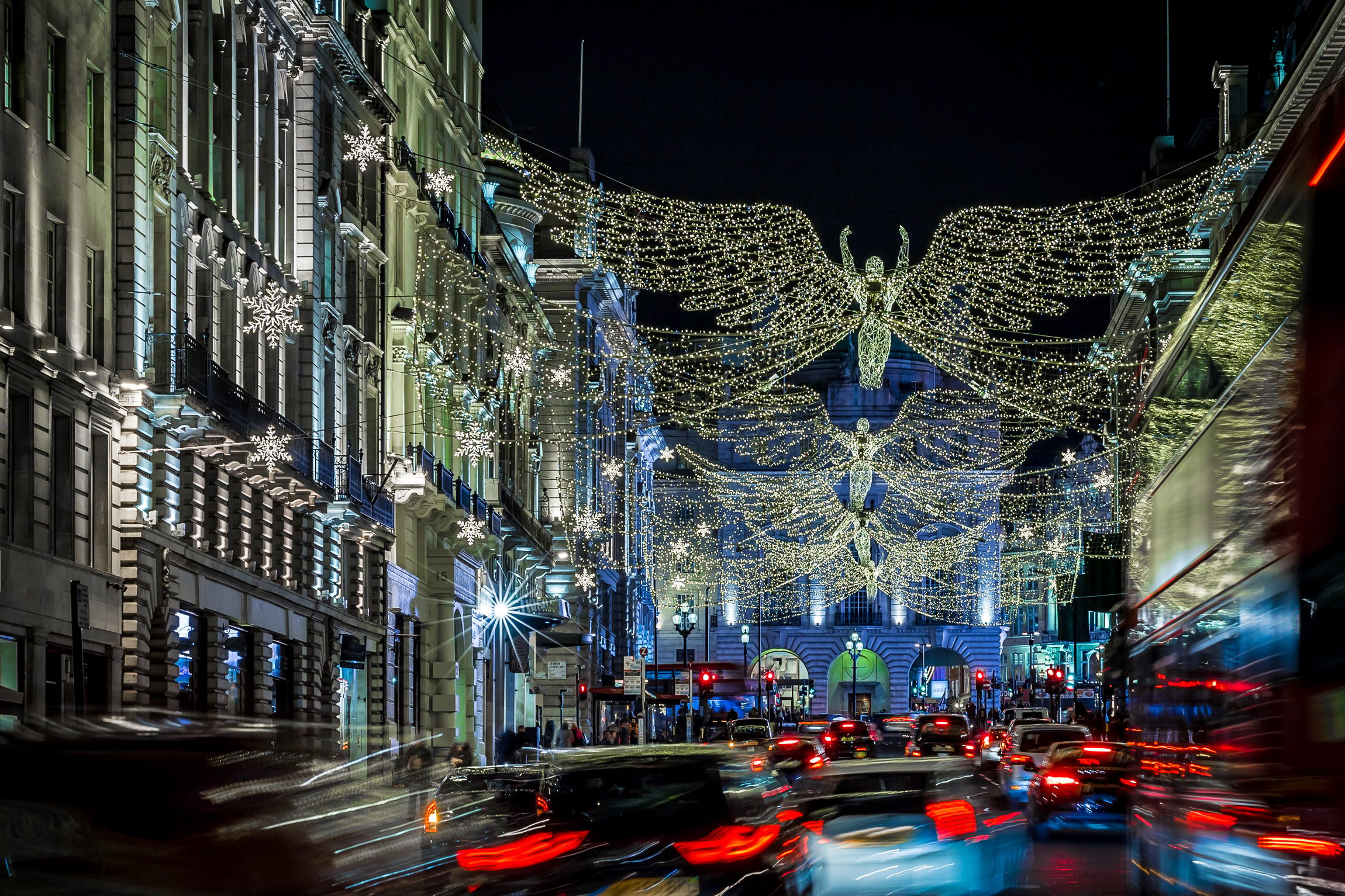
Cold, rain, wind and sun are comfort questions. Bring waterproof layers and warmth suitable for sitting still above street level. The featured Big Bus Christmas lights tour guarantees an upper-deck seat, which makes exposure part of the experience rather than an optional inconvenience.

For access, check boarding equipment, wheelchair storage, seating and any transfer requirement separately. A covered roof tells you about shelter, not whether you can board or travel safely.
02 · Skyline Stories

Compare open, flexible and covered formats

Compare open, flexible and covered formats on a London sightseeing route

A continuous open-top tour keeps the visitor aboard until the route ends. The City Sightseeing hop-on hop-off ticket can provide shelter breaks, but it adds walking, waiting and repeated boarding. Its listing does not specify every vehicle’s access arrangement, so confirm the actual service.

The LE GRAND glass-roof sightseeing bus offers more shelter but is not an open-top tour and is not suitable for children under seven. A lower deck may reduce weather exposure on some double-deck buses, but availability and views must be confirmed for the exact departure.

03 · Skyline Stories

Use known restrictions, not assumptions

The 90-minute TransporaBus vintage tour and Golden Tours electric Routemaster state that they are not suitable for wheelchair users. The Classic Tour’s vintage night Routemaster says it has no proper way to store a wheelchair, even when folded. Those restrictions must not be transferred to every tour, but they rule out those exact products where wheelchair carriage is essential.

For a buggy, ask whether it must fold, where it can be stored and whether the traveller can manage the boarding steps. For a wheelchair, confirm dimensions, ramp or lift availability, lower-deck position, transfer requirements, companion arrangements and advance notice.

04 · Skyline Stories

Confirm before payment

Use the official operator accessibility page where one exists, then contact the activity provider through the current booking page when the exact vehicle or departure matters. Save the answer with the booking and recheck the meeting point before travel.

Treat broad accessibility labels as a starting point. If the provider cannot confirm a requirement, choose a service whose current documentation does.

Checked planning sources

Use current operator information

Routes, stops, times, fares and access arrangements can change. Recheck the exact service shortly before travel.

The Original Tour accessibility ↗

The Original Tour FAQ ↗

TfL on-board accessibility ↗

GetYourGuide vintage night tour access details ↗

GetYourGuide electric Routemaster access details ↗

Your next decision

Find a bus that meets your needs

Compare the open-top and covered tours once you know which seating, boarding and storage arrangements your group needs. Confirm any essential requirement directly with the operator before booking.

Compare Open-Top Tours